
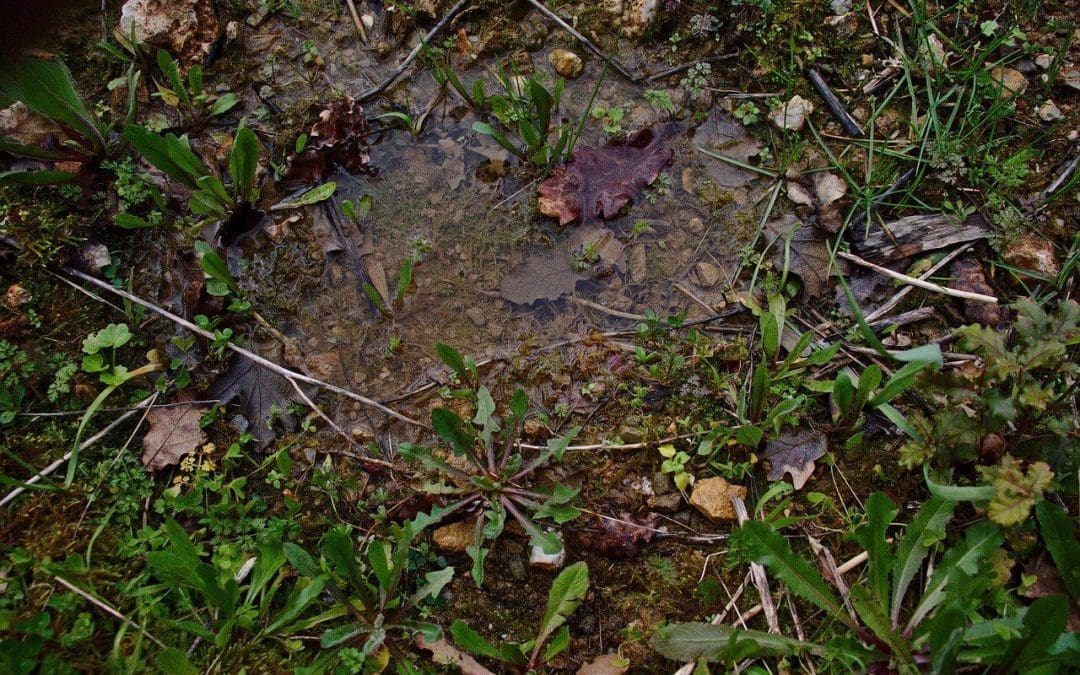
For many homeowners, a heavy rainstorm may bring the stress of pooling water, soggy lawns, and the looming threat of foundation damage. Learning how to improve drainage is one of the most vital aspects of property maintenance, yet it is often overlooked until a puddle turns into a small pond. Poor water management could lead to a host of expensive issues, including basement flooding, soil erosion, and the death of expensive landscaping. By taking a proactive approach to how water moves across your land, you will protect your investment and ensure your outdoor space remains functional and beautiful even during the heaviest downpours.
Evaluating Your Yard to Improve Drainage
The first step in any water management plan is to observe your property during and after a rain event. To improve drainage successfully, you need to identify where the water is coming from and where it naturally wants to go. Look for areas where the soil remains saturated for days after a storm or where mulch and topsoil are being washed away. These “low spots” or erosion channels are the primary targets for your intervention. It is also important to check the “grade” of the land surrounding your home. The ground should slope away from your foundation at a rate of at least six inches over the first ten feet. If the ground is flat or, worse, sloping toward your house, this is a critical area where you must improve immediately to prevent structural damage. Understanding these patterns allows you to create a targeted plan rather than guessing where a drain might be most effective.
Strategic Grading and Swales to Improve Drainage
One of the most permanent and effective ways to manage surface water is through strategic re-grading and the creation of swales. A swale is essentially a shallow, wide ditch designed to redirect water runoff to a safe exit point, such as a municipal storm drain or a dry well. To improve drainage using this method, line the swale with decorative river rocks or moisture-loving plants to create a functional “dry creek bed” that adds aesthetic value to your landscape. Proper grading ensures that water flows naturally through these channels rather than sitting in stagnant pools. While major grading projects might require heavy machinery, small-scale swales can often be dug by hand over a weekend. By reshaping the earth to guide water around your home and garden beds, you solve the root cause of many drainage issues without the need for complex mechanical systems.
Installing French Drains and Dry Wells
When surface solutions are not enough to handle the volume of water, subsurface systems like French drains are the next logical step. To improve drainage in areas with heavy clay soil or high water tables, a French drain involves digging a trench, lining it with filter fabric, and filling it with perforated pipe and gravel. This system allows water to seep into the pipe and be carried away underground to a lower point on the property. If you do not have a natural exit point for the water, you can use a dry well. A dry well is an underground basin that holds excess water and allows it to slowly percolate back into the soil over time. These systems are incredibly effective at providing a long-term solution for homeowners dealing with persistent water accumulation.
Managing Downspouts and Hardscapes
Sometimes the biggest drainage problems are caused by the house itself. Every time it rains, your roof collects thousands of gallons of water, which funnels through your gutters and downspouts. If those downspouts dump water directly at the base of your foundation, you are creating a localized flood. To improve drainage in this scenario, you should install downspout extensions or underground bubbler pots that carry the water at least five to ten feet away from the structure. Additionally, consider the impact of hardscaping, like patios and driveways. These non-porous surfaces prevent water from soaking into the ground, often redirecting it toward your home. Using permeable pavers or gravel for walkways will help the earth absorb water naturally, reducing the overall runoff that your drainage systems have to manage.
Frequently Asked Questions (FAQs)
What are the most common signs that I need to improve drainage?
The most obvious sign is standing water that remains for more than twenty-four hours after a rainstorm. You should also look for interior signs, such as a musty smell in the basement, water stains on foundation walls, or a white, chalky substance on your brickwork.
Can I improve drainage by simply adding more soil to low spots?
Adding soil will help in minor cases, but it is rarely a standalone solution. To truly solve the problem, you usually need to combine new soil with proper grading or an underground drainage system.
How much does it typically cost to install a French drain?
The cost of a French drain varies significantly depending on whether you do it yourself or hire a professional.
Do I need a permit to change the drainage on my property?
In many jurisdictions, you are allowed to make minor changes to your own landscaping without a permit. However, most cities have strict laws against diverting your water outside of your property.
Horizon Inspection Services offers home inspection services to customers in Arizona. If you’re buying or selling a home, contact us to schedule an appointment.