
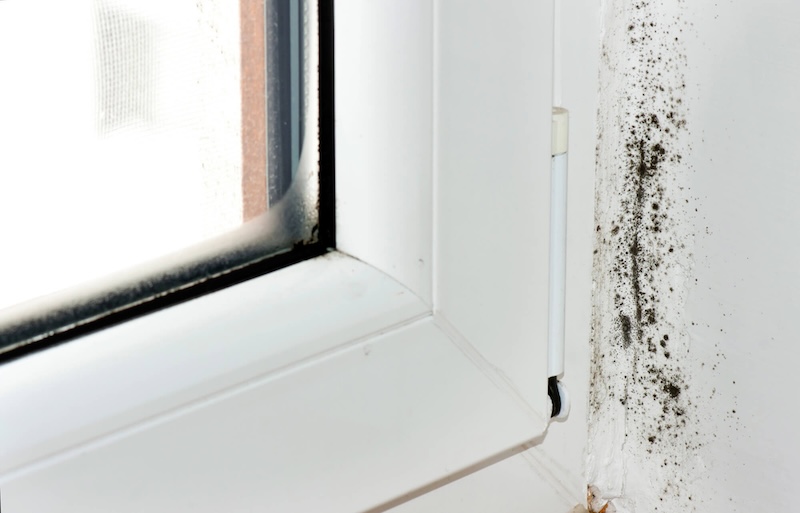
As a homeowner, you work hard to maintain a healthy and clean environment, but sometimes, a hidden threat may silently take root. Mold is a natural fungus, but when it establishes itself inside your home, it could lead to structural damage, musty odors, and potentially serious health issues. The key to preventing a small problem from becoming a massive, costly remediation project is early detection. By tuning into your senses and knowing where to look, you will confidently identify the warning signs of mold growth and take swift, corrective action.
Following Your Nose: The Most Telling Signs of Mold Growth
Mold emits microbial volatile organic compounds (MVOCs), which create a unique, earthy odor that is unmistakable. If you walk into a room and detect a musty, stale, or damp smell, even if you see no visible evidence, you should be highly suspicious. This smell indicates that moisture is present and mold growth is active nearby. The odor is often most pungent in areas with poor ventilation or where water has recently been introduced and improperly dried. Even if the smell disappears after airing out the room, you should still investigate the source, as the mold spores may still be dormant but remain active. Persistent or unexplained health issues among occupants are also subtle indicators of internal mold growth. Mold exposure may trigger allergic reactions, leading to symptoms like chronic sneezing, coughing, watery eyes, headaches, or even skin irritation. If these symptoms seem worse when people are at home, particularly in one specific room or area, it warrants an immediate check for hidden moisture and subsequent mold.
The Visual Check: Where to Look for Mold Growth
While mold is not always visible, when it is, it could appear in a wide variety of colors and textures. Never assume that the colorful spot is just dirt; treat it as a potential risk that needs verification. Mold often appears as fuzzy, slimy, or patchy discoloration. Colors vary widely and can include black, green, brown, white, or even pink and purple, depending on the type of mold and the surface it is growing on. Pay close attention to porous materials, such as drywall, ceiling tiles, and wood. Look around window frames, where condensation is common, and behind furniture that is pushed up against exterior walls, as these areas often have poor air circulation and trap moisture. Identifying this visible evidence is the most direct way to confirm a problem with mold growth. Visible water damage is a precursor to mold, so look for signs such as peeling paint, bubbling wallpaper, warped baseboards, or discoloration on drywall that indicate a slow leak may be present. Mold needs moisture to survive, so any evidence of current or past water intrusion is a strong indication that mold growth is either already present or will soon follow. Fixing the leak is only the first step; the affected materials must be dried or removed within 24 to 48 hours to prevent spores from activating.
Beyond the Surface: Hidden Hotspots
The most challenging mold growth to manage is the kind that occurs out of sight. Homeowners must be proactive in checking areas that provide perfect, hidden environments for mold to thrive. Attics, crawlspaces, and basements are prime areas. Check your attic for signs of roof leaks or poor ventilation that causes condensation on the rafters and insulation. In the basement or crawlspace, check for dampness in the air, standing water, or condensation on pipes. These areas often harbor extensive mold growth because they are rarely entered and frequently experience moisture problems. Mold could grow unseen behind drywall, especially near slow leaks from plumbing or exterior wall penetrations. This is often where the persistent musty odor originates. Inspect the drip pans and filters in your HVAC system, especially in window units or central air handlers. Condensation in these units provides a damp environment perfect for spore multiplication, which is then distributed throughout your entire home through the ventilation system. Maintaining your HVAC system is a critical step in preventing the spread of mold growth.
By confidently using your senses and focusing your visual inspections on high-risk, moisture-prone areas, you will catch mold growth in its earliest stages, allowing for swift, targeted action that protects both your health and your home’s structure.
Frequently Asked Questions (FAQs)
If I find a small patch of mold, can I clean it myself?
If the mold growth covers an area smaller than about 10 square feet (roughly a 3-foot by 3-foot patch), you can usually handle it yourself using water and detergent, or a bleach solution on non-porous surfaces. For larger areas, always hire a professional mold remediation specialist.
Does killing the mold solve the problem completely?
No. Killing the mold is only half the battle. If you don’t find and eliminate the underlying moisture source, the mold growth will almost certainly return.
Should I always worry about black mold?
While the media often sensationalizes “black mold”, all types of mold growth should be treated seriously because they could all cause health issues, especially in people with allergies or compromised immune systems.
How quickly does mold start growing after a water leak?
Given the right conditions, moisture, warmth, and a food source (like drywall or wood), mold growth could begin in as little as 24 to 48 hours after water intrusion.
Horizon Inspection Services offers home inspection services to customers in Arizona. If you’re buying or selling a home, contact us to schedule an appointment.